7 November 2026
Diwali Mithai and Your Teeth: What Actually Helps, From a CBD Belapur Dentist
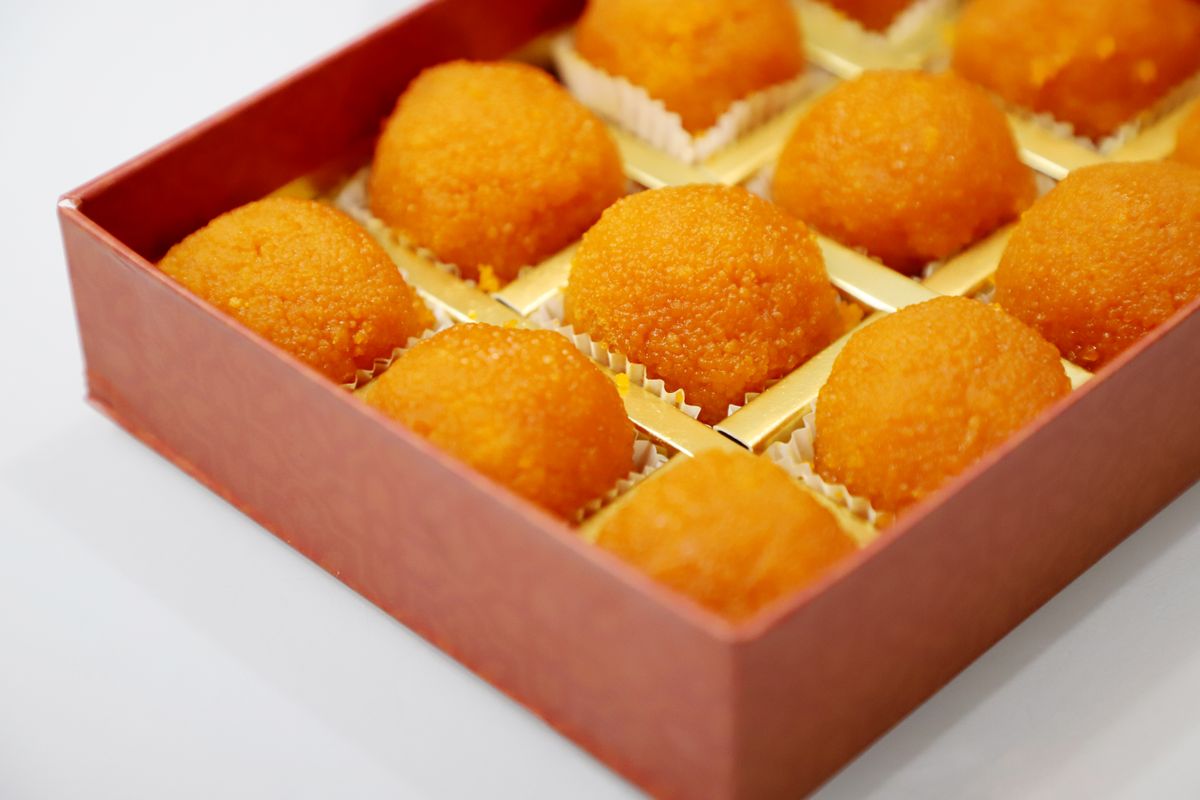
A box of mithai lands on the table in Sector 15, and by the end of Diwali week it is empty. Nobody is skipping the laddoos, and this post is not asking you to. What matters for your teeth is how often and how slowly you eat them. Here is what La Pearl Dental Boutique in CBD Belapur wants you to know about festive sweets and your teeth.
How Diwali sweets and tooth decay are connected
Every time you eat sugar, the bacteria in your mouth turn it into acid. That acid softens the surface of your teeth. According to the American Dental Association, each of these acid attacks can last around 20 minutes, and the more often you snack, the more attacks your teeth go through.
This is why a single laddoo after dinner is a very different thing from a plate of sweets picked at all afternoon. The first gives your teeth one attack. The second keeps them under attack for hours.
Your saliva is the clean-up crew. It washes acid away and gives your teeth a chance to recover, but it needs breaks between snacks to do that job.
Which mithai sticks to your teeth the most
The ADA lists sticky foods among the ones that cling to teeth and lengthen the time sugar stays in your mouth. Most of the festive box falls into one of two groups.
Sticky and chewy sweets
Chikki, peda, soft barfi and dense laddoos can stay stuck in the grooves of your back teeth long after you swallow. You may not feel it, but a bit of sugar sitting in a groove keeps feeding bacteria.
Syrup-soaked sweets
Jalebi and gulab jamun do not stick like toffee, but they are soaked in sugar syrup. That coats every surface of your teeth at once. If you eat them warm and slowly, with a cup of chai in between, your teeth are bathed in sugar for much longer than you think.
It is hard to rank every sweet exactly, because it depends on how much you eat and how long you take. A good rule is simple: the longer a sweet stays in your mouth, the more acid your teeth see.
How to enjoy festive sweets without wrecking your teeth
You do not need a strict plan. A few small habits make a real difference, and none of them take the fun out of the evening.
- Eat sweets with a meal or right after. You make more saliva while eating, and the ADA notes that having sweets with a meal is kinder to teeth than snacking on them through the day.
- Finish the piece, then move on. Choose two or three sweets you really want and enjoy them in one sitting, instead of nibbling from the box every hour.
- Swish with plain water afterwards. It will not replace brushing, but it clears loose sugar from the grooves.
- Brush before bed, every night of the festival. Late-night mithai followed by a skipped brush is the combination to avoid.
- Clean between your teeth. Sticky bits hide where a brush cannot reach. Floss or an interdental brush gets them out.
The ADA also mentions that chewing sugar-free gum for about 20 minutes after eating helps your mouth make extra saliva. If you do not like gum, a glass of water and a normal brush at bedtime is a perfectly good routine.
Watch the drinks too. Sweet chai next to a sweet laddoo doubles up the sugar. Our post on chai, coffee and tooth stains covers what that daily cup does to your teeth.
Are sugar-free sweets safe for your teeth?
Not automatically. "Sugar-free" or "no added sugar" on a box can mean the sweet is made with dates, jaggery or dry fruit, and those still contain natural sugars. Many are also sticky, so they hang around on your teeth just like regular mithai.
Sweets made with sugar substitutes are less of a worry for acid, but they are still worth eating with a meal rather than all day. Read the label, and take "sugar-free" as a hint, not a free pass.
When a toothache should not wait until after Diwali
Most people do not need a dentist because of one festive week of sweets. If you eat a few too many, brush properly and carry on, your teeth will be fine.
A few signs, though, are worth getting checked rather than waiting for the holidays to end:
- A tooth that twinges with sweets, cold water or hot chai. Our guide to sensitive teeth in CBD Belapur explains the common causes.
- A dark spot or a small hole you can feel with your tongue.
- A dull ache that lingers after the sweet is gone, or pain that wakes you at night. That can mean the problem has gone deeper, which is what a root canal exists to deal with.
- Swelling in the gum near a tooth, or a bad taste that will not go away.
A lingering ache does not get better with the festive season ending. It tends to get worse, so it is better to look at it early.
A quick clean after the festival
Once the mithai boxes are done, it is a good time to book a check-up and a professional clean. A cleaning removes the hardened plaque a brush leaves behind, and it is a good moment to have any small cavity spotted early. Our guide to teeth cleaning in CBD Belapur explains how often most people need one.
At La Pearl Dental Boutique, Dr. Shriya Verma keeps the visit calm and unhurried, so a quick check does not feel like a big event.
Festive Sweets and Your Teeth in Belapur: Your Questions Answered
Do Diwali sweets cause tooth decay?
Sugar feeds the bacteria that make the acid behind cavities, so sweets can contribute. What matters most is how often and how slowly you eat them. A few sweets with a meal, followed by brushing, is very different from nibbling all day.
Which sweets are worst for your teeth?
Sticky and chewy sweets such as chikki, peda and dense laddoos stay on your teeth for longer. Syrup-soaked sweets like jalebi and gulab jamun coat the teeth in sugar. The longer a sweet stays in your mouth, the more acid your teeth are exposed to.
Should I brush right after eating mithai?
Swish with plain water first to clear loose sugar. Then brush at your normal times, including before bed. The ADA recommends brushing twice a day with fluoride toothpaste.
Are sugar-free sweets better for my teeth?
They can be, but check the label. Sweets made with dates, jaggery or dry fruit still contain natural sugars and can be sticky. Eating them with a meal still helps.
What should I do if I have a toothache during Diwali?
Do not wait if the pain is sharp, lingers, wakes you at night or comes with swelling. Message the clinic and we will find the earliest time to see you. Mild sensitivity that fades quickly can usually wait for a check-up.
Is it fine to eat mithai if I have a filling or braces?
Mostly yes, but go gently. Hard and very sticky sweets can pull at fillings and brackets, so cut them into small pieces and keep brushing and cleaning between your teeth.
If you want your teeth looked at after the festive season, book a visit with Dr. Shriya Verma at La Pearl Dental Boutique, Shop Number 4, Sai Vihar CHS, Sector 15, CBD Belapur, Navi Mumbai, Maharashtra 400614. Message us from the contact page and we will find a time that suits your day.